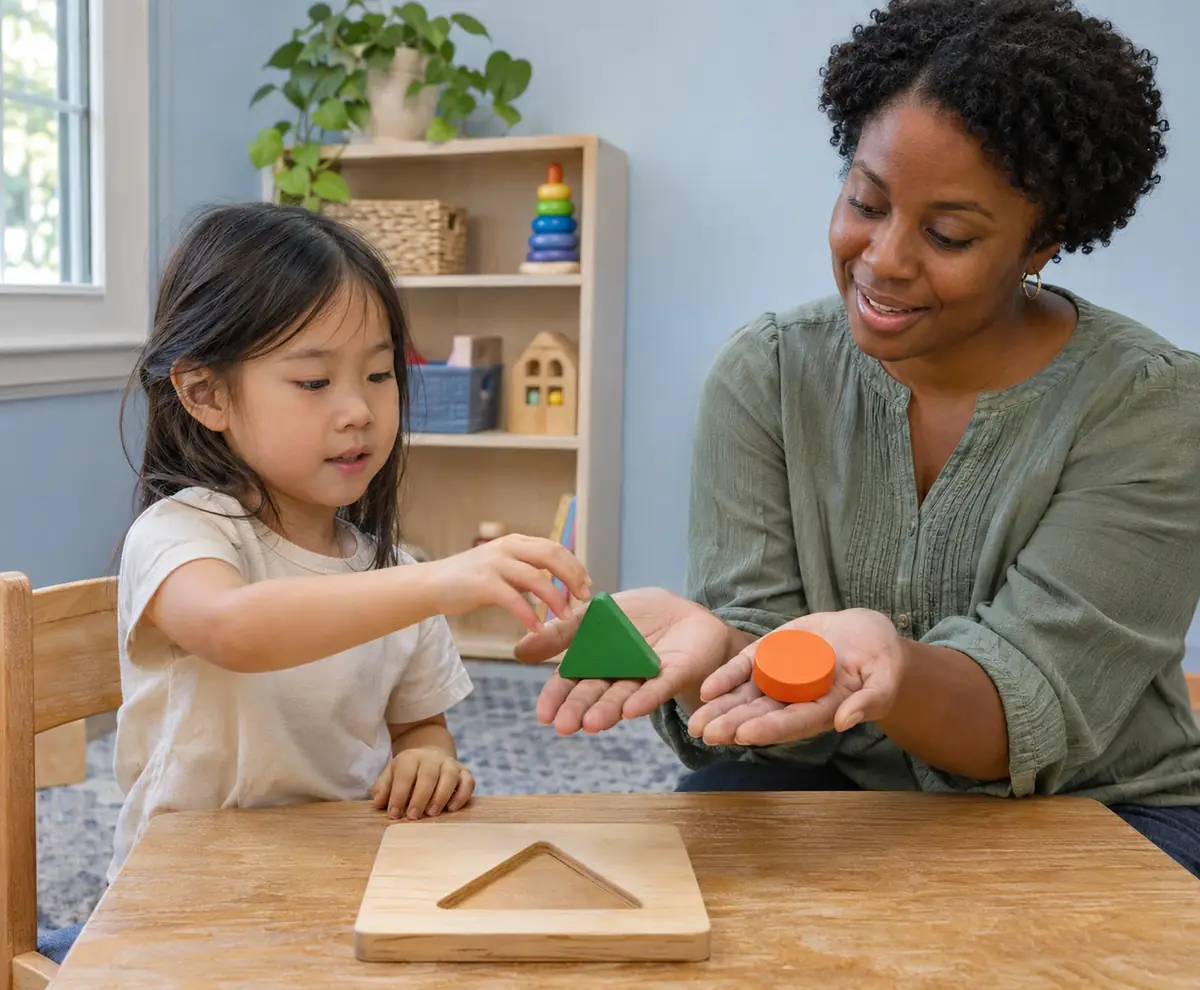
What we offer in North Carolina
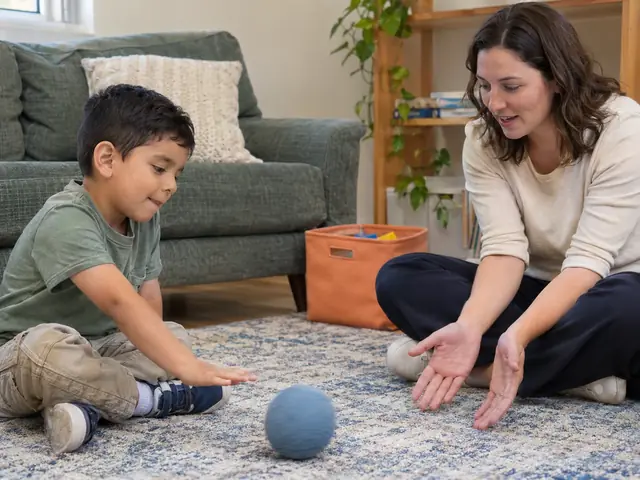
In-home ABA
One-on-one therapy in your home, built around your child's routines.
School and community
Support in the places your child spends the day, coordinated with teachers and caregivers.
Parent training
Regular sessions with your BCBA so you can use the same strategies every day.
Areas we serve in North Carolina
Families in nearby communities can contact us as well. We confirm availability for your address during intake.
Insurance in North Carolina
In North Carolina we accept Blue Cross NC, NC Medicaid Direct, Healthy Blue, Carolina Complete Health, WellCare of North Carolina, AmeriHealth Caritas North Carolina, and the Alliance Health, Partners Health Management, Trillium Health Resources and Vaya Health Tailored Plans. Coverage depends on your specific plan, so our intake team verifies your ABA benefits and any authorization requirements before services begin.
NC Medicaid covers ABA as Research-Based Behavioral Health Treatment (RB-BHT): read Does NC Medicaid cover ABA? For private coverage, North Carolina's autism law lets state-regulated plans limit ABA to people 18 and younger and cap it at a yearly amount. See Blue Cross NC and ABA for how Blue Cross NC reviews requests.
How in-home ABA works in North Carolina
In North Carolina, we provide ABA in families' homes in the cities listed above and nearby communities. Your child's RBT comes to the house for one-on-one sessions, and your BCBA plans the program, supervises and coaches you in parent training. For NC Medicaid members, sessions with the technician must be in person: the state's updated policy no longer allows them by telehealth.
North Carolina families receive ABA at home and, where approved, in the community.
Diagnosis and referral
Before ABA can start, your child needs an autism diagnosis in writing. NC Medicaid's RB-BHT benefit also needs a referral from a licensed physician or a doctoral-level licensed psychologist, and North Carolina's autism insurance law says treatment under state-regulated plans must be ordered by a licensed physician or licensed psychologist. Start with your pediatrician, and keep the full evaluation report, including test results. If your child was diagnosed in another state, the report can usually be used if it meets North Carolina's requirements.
Children under 3: the NC Infant-Toddler Program
North Carolina's early intervention program, the NC Infant-Toddler Program, serves children under three with a developmental delay or an established condition, and autism is one of the conditions the state names. Your regional Children's Developmental Services Agency (CDSA) decides eligibility using standardized tests, family interviews and observation. Anyone can make a referral, by phone, email, fax, letter, in person at the CDSA or with the program's referral form. No family is turned away because they can't pay. Services usually take place in everyday settings like your home.
School-age children
If your child is three or older, the state's early intervention program points families to the local school district. Schools provide special education under an IEP; ABA through insurance or Medicaid is a separate health service. Your child can have both. With your consent, your BCBA can talk with the school's exceptional children team so the strategies that work in therapy are used in class, too.
How to get started
- Contact us with your child's age, ZIP code and insurance.
- We verify your benefits and explain what your plan requires.
- A BCBA completes an assessment with your child and family.
- We submit the treatment plan for authorization, then sessions begin.
Next step
ABA therapy in North Carolina
Tell us your child's age, your ZIP code and your insurance. We'll check your benefits, confirm availability for your address and explain next steps, with no obligation.
Sources
- NC DHHS: NC Infant-Toddler Program
- NC DHHS: NC Infant-Toddler Program for families
- N.C. General Statutes 58-3-192: Coverage for autism spectrum disorder
- NC Medicaid Clinical Coverage Policy 8F: RB-BHT
Common questions
Do you provide in-home ABA therapy in North Carolina?
Yes. Lumina Behavior provides in-home, school and community-based ABA in North Carolina. Contact us with your ZIP code to confirm availability for your address.
Who provides the therapy?
Therapy is provided by ABA Journey's clinical team. A Board Certified Behavior Analyst designs and supervises each program, and Registered Behavior Technicians deliver one-on-one sessions.
Where does ABA therapy take place in North Carolina?
ABA in North Carolina is provided at home, at school and in the community.
Are ABA sessions in North Carolina ever done by video?
Not the sessions with the technician for NC Medicaid members: the state's updated RB-BHT policy removed telehealth for those services. Ask us which BCBA services may still be offered by telehealth.
Who has to refer my child for ABA in North Carolina?
For NC Medicaid, a licensed physician or doctoral-level licensed psychologist. For state-regulated private plans, North Carolina law says treatment must be ordered by a licensed physician or licensed psychologist.
Does the NC Infant-Toddler Program cost money?
The state says no family is denied services because of an inability to pay. Your CDSA can explain how costs work for your family.